
Sciatica Pain Relief Now – Care That Helps You Move With Comfort Again
If you are searching for real sciatica pain relief now, I want you to know that you are not alone. Many patients come to our clinic feeling frustrated, limited, and unsure why their back or leg pain keeps returning. My goal is to help you understand what is happening inside your body and to offer calm, practical guidance so you can move toward relief with confidence. At Peak Performance, we focus on your comfort, safety, and long-term recovery. With the right steps, your body can regain its strength, and daily movement can become easier.
Understanding Sciatica Pain and Why It Happens
Sciatica describes irritation or pressure on the sciatic nerve, the large nerve that travels from your lower back through your hips and down each leg. When this nerve is inflamed, you may feel discomfort anywhere along this path. Some people describe a sharp sensation, while others feel a deep ache or tingling.
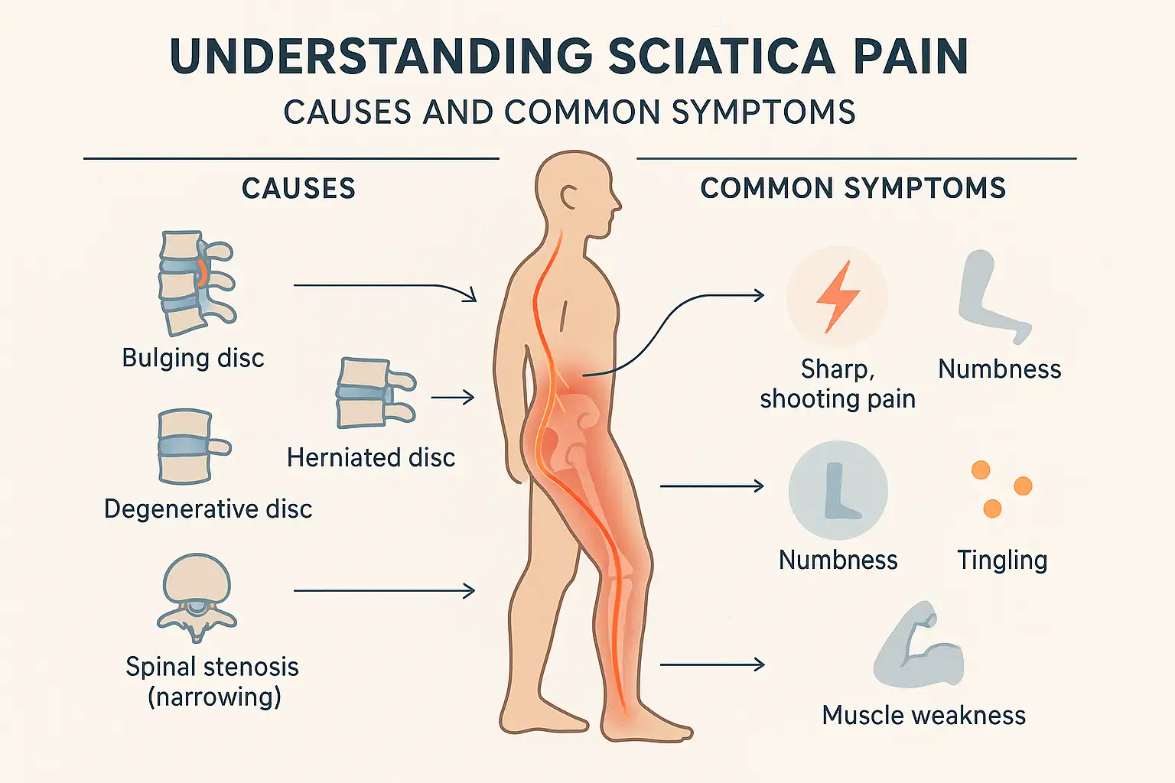
Common sources of irritation include herniated discs, muscle tension, spinal stenosis, or structural imbalances in the spine. When the nerve is irritated, it struggles to send clear signals, and you feel the result as pain or weakness.
If your daily routine has become more challenging or you’re avoiding activities you used to enjoy, you are experiencing a common response to nerve irritation. Understanding what is driving your discomfort is an important step in choosing the most effective treatment.
Recognizing Symptoms That Signal Sciatica
Sciatica shows up in many ways, and the severity can shift from day to day. Patients often report discomfort in the lower back, hips, or legs. You may notice:
- Pain that increases with sitting
- Tingling or numbness in the leg
- Muscle weakness during walking or standing
- Discomfort when moving from sitting to standing
- Pain that changes with bending or twisting
These symptoms can disrupt work, sleep, and daily responsibilities. When the sciatic nerve is irritated, your body works hard to compensate, which often leads to more tension and limited movement. You deserve care that helps your body settle, heal, and function at its best again.
Fast Relief Strategies You Can Use During Flare-Ups
Sciatica flare-ups can appear suddenly, and the discomfort may feel intense. Quick, safe strategies at home can help reduce irritation while you arrange care with your provider.
Cold Therapy for Short-Term Relief
Cold therapy is one of the most dependable ways to calm irritated nerves during the first few days of a flare-up. A cold pack applied to the lower back for fifteen to twenty minutes can reduce swelling around the nerve and lessen the strength of pain signals. Use a barrier like a thin towel to protect your skin, and repeat several times throughout the day. Many patients notice they can move more comfortably after a few sessions.
Cold therapy works best during the first forty-eight to seventy-two hours of a flare-up. After that period, your provider may recommend switching to other supportive strategies.
When It Is Time to Seek Chiropractic Care
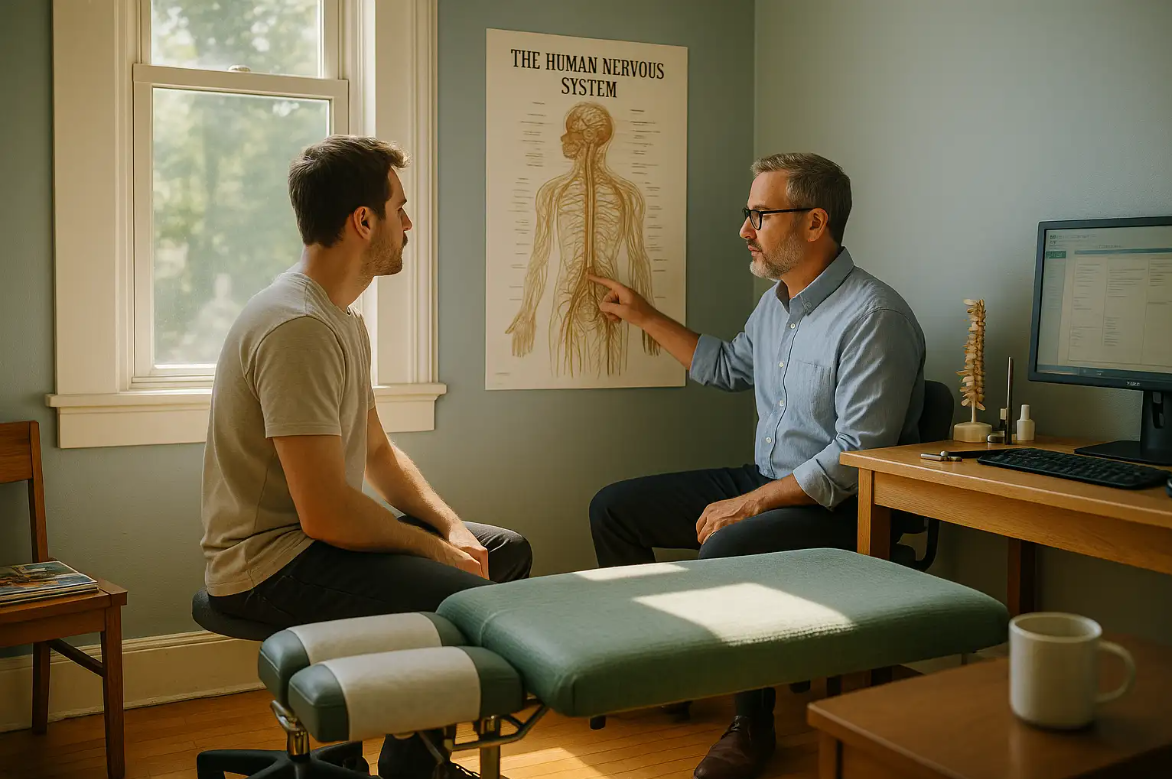
If your discomfort is recurring, spreading into the legs, or interrupting your work or sleep, it is a good time to reach out for professional care. Sciatica often improves much faster when the underlying nerve irritation is addressed directly rather than waiting for symptoms to come and go.
Our neurologically based approach focuses on understanding how your spine and nervous system are functioning as a whole. When the nerve is under stress, your body has trouble healing and maintaining normal movement. By identifying the areas contributing to nerve irritation, we can create a clear and personalized plan for your recovery.
How Chiropractic Care Supports Natural Healing
Your nervous system guides every function in your body. When a spinal joint is restricted or misaligned, it can place pressure on nerves, including the sciatic nerve. Gentle chiropractic adjustments help restore normal motion and reduce tension around these nerves. As the pressure eases, the nerve can send clearer signals, inflammation decreases, and your comfort begins to return.
Chiropractic care is a drug-free and non-invasive approach. Many patients appreciate that the care plan is tailored to their condition, age, activity level, and goals. If you have been relying on short-term fixes, you may find that this approach provides a more stable and lasting form of recovery.
Physical Therapy Strategies That Support Recovery
During your healing process, targeted physical therapy can play a helpful role. Therapists use exercises and movements designed to support spinal health and reduce pressure on the sciatic nerve. These strategies strengthen the core, improve hip mobility, and reduce strain during everyday activities.
Therapy plans often include stretching, guided movement patterns, and strength work that support the lower back and legs. When the surrounding muscles are stronger and more flexible, they can better support spinal alignment and reduce future irritation.
Other Non-Surgical Approaches
Other non-surgical treatments may include posture guidance, ergonomic advice, and gentle stretching routines. These strategies focus on helping your body stay balanced and supported as the nerve heals.
Home Habits That Help You Stay Comfortable
Your daily habits influence how quickly your body recovers. Simple changes can reduce pain and create meaningful progress. Here are a few supportive habits:
- Take short walking breaks during the day
- Use a supportive chair with proper back alignment
- Avoid sitting for long periods without movement
- Stretch your legs and lower back gently
- Stay aware of lifting technique and posture
Consistency helps your body remain stable and reduces irritation around the sciatic nerve. If you are unsure which habits are right for you, we can guide you during your visit.
Your Next Steps for Relief and Recovery
If you want to move with comfort again, we are here to help you take the next step to treat sciatica with confidence. Our approach is designed to find the source of your discomfort and support your recovery with care that feels respectful, clear, and personalized.
Whether your goal is to return to work without constant discomfort, walk without hesitation, or feel strong during daily activities, we can help you move forward in a safe and supported way. Relief is possible, and your body can heal with the right approach.
You are welcome to contact Peak Performance to schedule your appointment. Together, we can create a plan that guides you toward lasting comfort and better movement.