
Neck Pain After Car Accident Treatment
Neck pain following a car accident can disrupt daily life, making even simple movements uncomfortable. Many people are surprised when discomfort doesn’t appear right away but develops hours or even days later. Understanding what causes these symptoms, how to identify them early, and which treatment options are most effective is an important step toward recovery.
At Peak Performance Health, our team provides timely evaluation, patient-centered treatment, and thorough documentation for both medical and legal needs. This guide explains the common causes of neck pain after car accident, treatment, and signs you shouldn’t ignore. Learn more about available treatments to help you return to normal life with confidence.
Understanding Neck Pain After a Car Accident
Neck pain after a car accident often surprises individuals, sometimes appearing immediately or developing days later. Many people in Tampa, FL, come to see us concerned not just about the pain, but about what it means for their recovery and daily life. Addressing neck pain quickly and accurately is important, for comfort, but also to ensure a safe return to work and daily routines.
At Peak Performance Health, we provide the guidance, documentation, and support you need to navigate Florida’s PIP requirements and ease concerns, all while making sure treatment matches your unique situation. Let’s look closer at the symptoms and causes of these injuries.
Why Neck Pain Happens After a Car Accident
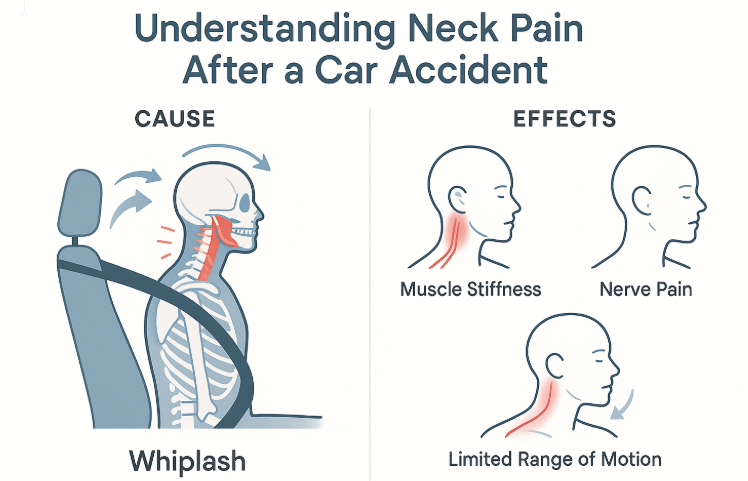
Car accidents expose the body to sudden forces that the neck and spine are not designed to handle. When a vehicle stops abruptly, the head often snaps forward and back, creating a whiplash motion. This rapid acceleration and deceleration can stretch or tear muscles, ligaments, and discs in the cervical spine.
These injuries can also irritate or compress the nerves branching from the spinal cord. That’s why pain may not be limited to the neck. It can radiate to the shoulders, arms, and upper back. For some, numbness, tingling, or weakness in the arms may develop, signaling possible nerve involvement.
Not every injury appears on X-rays, which is why a careful physical exam, neurological tests, and, when needed, advanced imaging (like MRI or CT scans) are so important.
Common Symptoms You Shouldn’t Overlook
Neck pain after a car accident is often accompanied by a range of other symptoms. These may include:
Stiffness and reduced range of motion in the neck
- Headaches that start at the base of the skull or behind the eyes
- Dizziness, balance issues, or visual disturbances
- Tingling, numbness, or weakness in the arms or hands
- Upper back and shoulder discomfort
- Difficulty concentrating, mood changes, or fatigue
While some of these symptoms point to whiplash, others may suggest a mild concussion or more complex injury. It’s important not to dismiss headaches, cognitive changes, or balance issues, as they could indicate a traumatic brain injury. The best outcomes occur when all symptoms are addressed together.
What to Expect During a Same-Day Evaluation
If you seek care soon after an accident, you can expect a thorough evaluation that looks beyond just the neck. At Peak Performance Health, the process includes:
- Concussion screening: Questions and simple neurological tests help identify whether a mild brain injury is present.
- Movement and functional testing: Assessing range of motion, muscle guarding, and joint stability highlights injuries that may not appear on scans.
- Nerve function checks: Tingling, numbness, or weakness in the arms often requires a closer look at nerve health.
- Referrals for imaging: MRI, CT scans, or ligament assessments may be recommended when symptoms suggest deeper injury.
This process is important to clarify the cause of your pain and it also ensures accurate documentation for insurance claims and work requirements.
Treatment Options for Recovery
Because no two injuries are identical, we build treatment plans specific to your symptoms, goals, and recovery pace. Our therapies focus on healing at the source using natural and noninvasive methods. Some of the services we offer for accident-related injuries include:
- Chiropractic adjustments (Pro Adjuster, Mechanical Sports Therapy)
To restore spinal alignment, optimize joint function, and ease irritation - Spinal decompression therapy
Used especially when discs are involved or spinal pressure contributes to pain - Medical-grade laser therapy
To support tissue repair and reduce inflammation without relying solely on medications - Massage therapy & soft tissue techniques
To address muscle tension, scar tissue, and muscle guarding - Balance and vestibular retraining (Pro Balance)
For patients who suffer from dizziness or equilibrium issues after trauma - Rehabilitative exercises and postural training
To strengthen muscles, stabilize the spine, and reduce the likelihood of re-injury
Our team manages every step of care and ensures each visit is logged to satisfy both patient goals and legal/insurance protocols.
Why Early Care Makes a Difference
Putting off treatment after an automobile accident can allow small injuries to worsen. With time, soft tissue damage, joint misalignment, or nerve irritation can become chronic problems that hamper sleep, work, or everyday life.
At Peak Performance Health, we believe in natural methods that treat injury at its source. We serve clients from Dunedin, Clearwater, Tarpon Springs, Palm Harbor, and surrounding areas in Pinellas County, Florida.
If you’ve been in an accident and you feel neck pain, stiffness, or any of the signs above, reach out today to schedule your consultation. We offer support for both medical recovery and legal coordination. Your well-being and case integrity are equally important to us.
Let us help you regain function, reduce pain, and move forward with confidence.