
Concussion After Car Accident Symptom
If you’ve recently experienced a car accident, understanding concussion after car accident symptoms can make a real difference in your recovery. Even minor collisions may trigger headaches, dizziness, confusion, or mood changes that are easy to overlook. Early recognition of these warning signs helps ensure timely and effective care.
At Peak Performance Health, we focus on helping Tampa adults identify, document, and treat subtle injuries like concussions, so you can protect your long-term health and confidently move forward after an accident. Learn what to watch for and how expert care can support your recovery journey.
The Hidden Impact of Collisions on the Brain
Most people walk away from a car accident feeling grateful that they avoided visible injuries. However, the brain is far more vulnerable than many realize. Even in low-speed crashes, the forces inside a vehicle can cause sudden acceleration and deceleration, which shake the brain within the skull. Unlike bruises or cuts that appear on the skin, this type of internal trauma isn’t immediately obvious. At Peak Performance Health, our experience shows that these invisible injuries are often the ones that cause the longest-lasting effects.
When your car comes to an abrupt stop, your head may whip forward, backward, or sideways. This motion forces the brain to move inside its protective casing, sometimes striking the inner walls of the skull. This process can stretch nerve fibers, strain delicate blood vessels, and disrupt the brain’s natural chemical balance. These disruptions are what healthcare professionals call a concussion, a mild form of traumatic brain injury that still carries significant risks if not identified quickly.
Why Even “Minor” Accidents Can Lead to Concussion
One of the most common misconceptions is that concussions only happen in major crashes. The truth is, fender benders and moderate collisions can generate enough force to cause brain injury. Patients often tell us they didn’t hit their head, so they assumed they were fine. But you don’t need a direct blow to the skull for a concussion to occur. Whiplash, rotational forces, and even the body’s own sudden stop can be enough to trigger symptoms.
At Peak Performance Health, we remind every patient that what feels like a “small” accident can still lead to long-term consequences if ignored. Early testing and documentation matter, both for protecting your health and for meeting insurance or personal injury claim requirements.
The Role of Rotational Forces
Straight-line motion isn’t the only concern during a crash. When the head is snapped to the side, the brain moves forward and backward, and it also twists. This rotational movement can be even more damaging because it stretches nerve fibers beyond their normal range. Patients often report feeling foggy, unsteady, or unusually irritable after this kind of trauma. These are signs that the brain’s internal wiring has been disrupted.
Rotational injuries are easy to overlook, especially if there are no cuts, bruises, or external wounds. That’s why our team at Peak Performance Health integrates neurological testing into every accident evaluation. We know that symptoms like dizziness, nausea, or sudden memory lapses may point to deeper issues that need careful monitoring.
Why You May Not Notice Symptoms Right Away
Another challenge with concussions is delayed symptom onset. Unlike a broken bone, which causes immediate pain, concussion symptoms can appear hours, days, or even weeks later. Many people initially feel fine, only to develop headaches, concentration issues, or mood changes once they return to daily routines. This delay often leads patients to dismiss symptoms as stress or fatigue, when in fact, the brain is struggling to recover.
That’s why our clinic encourages same-day or next-day evaluations for anyone involved in a car accident. By checking for early signs of brain dysfunction, we can intervene before symptoms worsen, helping patients return to work and normal activities with fewer setbacks.
How Our Clinic Supports Early Detection
At Peak Performance Health, our philosophy is clear: hidden injuries require proactive care. We use advanced movement testing, neurological exams, and imaging referrals when needed to detect concussions that might otherwise go unrecognized. We also ensure that every exam is documented thoroughly, a step that not only guides treatment but also provides patients with the medical evidence needed for Florida’s PIP coverage and personal injury claims.
When you understand how concussions occur in a car accident, you’re better prepared to protect yourself and your family. If you’ve been in a collision, don’t wait for symptoms to appear. Reach out to our caring team today for an evaluation. Early recognition of concussion after a car accident is one of the most effective ways to safeguard your long-term health and peace of mind.

Symptoms of Concussion After a Car Accident
After a car accident, it’s natural to focus on visible injuries like bruises, cuts, or soreness. Yet concussions often go undetected because the signs can be subtle or delayed. Missing these early warnings risks long-term complications, from lingering headaches to memory problems that interfere with work and daily life. At Peak Performance Health, we emphasize that paying attention to symptoms is about protecting your brain, your recovery, and your future well-being.
Immediate Signs to Watch For
Some concussion symptoms appear within minutes or hours after a collision. These may seem minor at first, but they often point to underlying brain injury:
- Headaches that develop soon after the accident
- Dizziness, vertigo, or feeling unsteady on your feet
- Nausea or vomiting unrelated to food intake
- Difficulty focusing or concentrating on simple tasks
- Confusion or disorientation, even if brief
- Ringing in the ears or blurred vision
Patients sometimes dismiss these symptoms as stress or shock. However, when combined, they can signal a concussion. That’s why our clinic recommends seeking evaluation immediately, even if you’re unsure whether your symptoms “count” as serious.
Subtle and Delayed Symptoms
Not all concussion signs appear right away. In fact, delayed onset is common, which makes ongoing observation important. Days or weeks after an accident, you may notice:
- Memory lapses or difficulty recalling recent events
- Sensitivity to light or sound
- Trouble sleeping or irregular sleep patterns
- Persistent fatigue, despite rest
- Difficulty completing work or school tasks that once felt easy
- Feeling “foggy,” detached, or unusually slow in thought and response
These delayed concussion symptoms are especially important for adults who return to demanding jobs after a crash. At Peak Performance Health, we often see patients who thought they were fine initially but later realize their performance at work or in daily life has been compromised.
Emotional and Behavioral Changes
Concussion symptoms aren’t just physical. Brain injuries can also affect mood and behavior. These changes are often first noticed by family members:
- Irritability or sudden frustration over small issues
- Anxiety or heightened worry that feels unusual
- Sadness, withdrawal, or loss of interest in daily activities
- Mood swings that don’t match your usual personality
Emotional symptoms matter as much as physical ones. Ignoring them can lead to stress at work, strain in relationships, and delayed recovery. Our care team is trained to listen to both patients and families, ensuring emotional changes are taken seriously during post-accident evaluations.
When to Seek Medical Help Right Away
Some symptoms require urgent medical attention, including:
- Loss of consciousness, even for a few seconds
- Repeated vomiting
- Severe or worsening headaches
- Slurred speech or difficulty understanding speech
- Seizures or sudden muscle weakness
- Clear fluid or blood draining from the nose or ears
If any of these occur, call emergency services immediately. These are red flags for significant brain injury, and rapid intervention can be life-saving.
How Peak Performance Health Helps Identify Symptoms
At our Tampa clinic, concussion screening is a standard part of every post-accident exam. We combine physical tests, neurological evaluations, and movement assessments to detect subtle signs of brain dysfunction. Unlike general check-ups, our exams are designed with accident-related injuries in mind, including whiplash and ligament damage that often overlap with concussion symptoms.
We also take time to document every detail, including headaches, balance issues, or sleep problems, because accurate records support both your medical recovery and any legal or insurance needs. If you’re bilingual or from a Spanish-speaking household, you’ll find that our staff is prepared to communicate clearly in your preferred language, ensuring no symptom is overlooked due to communication barriers.
Listening to Your Body After a Crash
Every concussion looks different. You may have one or two mild symptoms, or you may develop several that appear in combination. The important step is not to ignore what your body is telling you. If you feel that something isn’t right, whether it’s headaches, fatigue, or trouble concentrating, trust your instincts and seek help.
At Peak Performance Health, we provide same-day and next-day appointments so you don’t have to wait for clarity. Our goal is to recognize concussion after a car accident symptoms early, provide documentation for your care, and create a plan that supports your safe return to daily life.
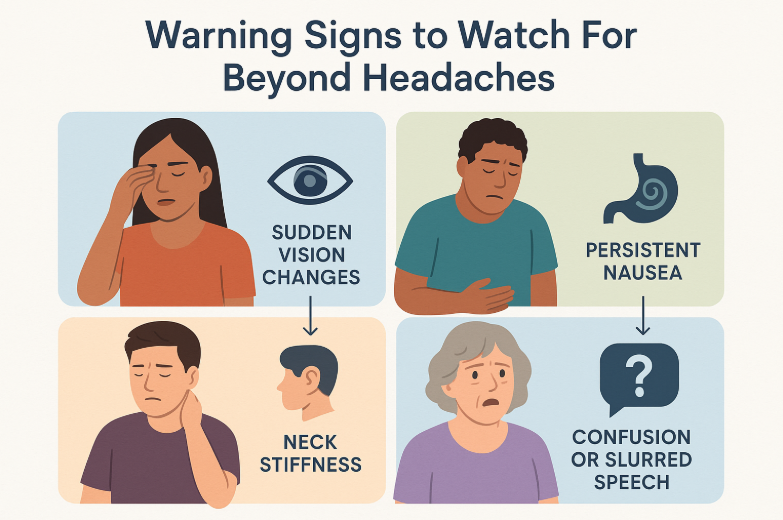
When a Head Injury Requires Medical Attention: Not Every Head Injury Looks the Same
Car accidents often cause a wide range of injuries, but not all head injuries are visible. Many patients walk away without cuts, bruises, or bumps and assume they are fine. In reality, internal trauma may still exist. A blow to the head, a sudden jolt, or even whiplash can lead to brain injury without obvious outward signs.
At Peak Performance Health, we help patients understand the difference between superficial head injuries and hidden brain injuries. Surface injuries may heal on their own, but concussions and other brain injuries require careful testing and documentation. Knowing when to seek medical attention can mean the difference between a quick recovery and long-term complications.
Common Head Injuries After a Car Accident
While every crash is unique, head injuries generally fall into two categories:
- External head trauma: cuts, swelling, or bruising of the scalp or face.
- Internal brain injuries: concussions, bleeding, or nerve fiber damage that may not be visible.
External trauma can be painful, but internal injuries often pose greater risks. Concussions, in particular, are more complex than a “bump on the head.” They can disrupt memory, concentration, balance, and mood with symptoms that last weeks or months if untreated.
Red Flags You Shouldn’t Ignore
After an accident, it’s critical to pay attention to warning signs that indicate a head injury needs urgent care:
- Loss of consciousness, even briefly
- Severe or worsening headaches
- Numbness or tingling in arms or legs
- Slurred speech or confusion that doesn’t resolve
- Repeated vomiting
- Seizures or sudden weakness
- Vision changes, such as blurred or double vision
These symptoms may point to more serious brain injuries. If you or a loved one experiences any of these, seek emergency medical help immediately.
Why Self-Assessment Isn’t Enough
It’s tempting to “wait and see” if symptoms improve on their own, but concussions are unpredictable. A patient may appear fine right after an accident, only to develop dizziness, memory lapses, or mood changes days later. Even mild traumatic brain injuries can interfere with work, family life, and daily safety.
At Peak Performance Health, we remind patients that self-assessment is not reliable. A professional exam is the only way to identify subtle brain injuries. Our evaluations are designed specifically for post-accident patients, including neurological checks, balance tests, and functional movement assessments.
The Overlap Between Neck and Brain Injuries
Neck injuries from car accidents often mask or mimic concussion symptoms. For example, whiplash can cause headaches, dizziness, or difficulty concentrating, the same symptoms linked to brain injury. Cervical ligament damage (such as AOMSI) may also create fogginess or fatigue, making it difficult to distinguish between spinal and neurological issues.
That’s why our exams go beyond surface-level checks. We look at the whole picture, combining orthopedic, neurological, and functional testing. This ensures that overlapping symptoms are properly separated and that no injury is overlooked.
How Peak Performance Health Supports Patients
Our clinic provides a structured approach to identifying and documenting head injuries after a car accident:
- Comprehensive evaluation: We examine both visible trauma and hidden neurological signs.
- Functional movement testing: Detects subtle coordination or balance deficits.
- Imaging referrals: X-rays, MRIs, or CT scans are ordered when a deeper injury is suspected.
- Documentation: Every finding is recorded for personal injury protection (PIP) coverage, legal claims, and workplace clearance.
- Tailored care plans: Patients receive recovery strategies designed to restore health and support a safe return to work.
This multi-layered approach provides clarity for patients and peace of mind for their families. Our goal is not only to treat symptoms but also to give you the documentation you need to move forward with confidence.
Trust Your Instincts After a Crash
The most important takeaway is simple: if something feels “off” after a car accident, don’t ignore it. Even mild confusion, recurring headaches, or subtle memory issues deserve attention. At Peak Performance Health, we provide same-day and next-day appointments so patients in Tampa can quickly get the answers they need.
Your safety, health, and long-term recovery depend on recognizing when a head injury requires medical attention. With our thorough evaluations and compassionate care, you can take the right steps to protect both your well-being and your future.
Hidden Head Injuries After a Car Crash: When to Seek Medical Help
Unlike a cut or bruise, which appears immediately after injury, the brain’s reaction to trauma can take time to develop. When sudden forces from a car accident cause the brain to move within the skull, the initial injury may not show up right away. Instead, microscopic swelling, chemical imbalances, and nerve fiber strain can evolve over hours or days.
This is why many people feel “fine” immediately after a collision but later begin experiencing headaches, dizziness, or memory problems. At Peak Performance Health, we often see patients weeks after an accident, when symptoms they thought were temporary have become persistent. Recognizing that concussions can present in phases is essential for both early care and long-term recovery.
Understanding Delayed Concussion Symptoms
Delayed concussion symptoms are more common than most people realize. While some appear quickly, others emerge only after the brain’s natural recovery systems are overwhelmed. Common delayed symptoms include:
- Persistent or worsening headaches
- Brain fog or difficulty concentrating
- Sensitivity to light and sound
- Sleep disruption or insomnia
- Mood swings, irritability, or anxiety
- Vertigo or balance problems
- Numbness or tingling in the extremities
Because these symptoms may develop gradually, patients sometimes mistake them for stress, fatigue, or emotional fallout from the accident. The reality is that they often point to underlying brain dysfunction that needs professional evaluation.
Why the Delay Happens
Several biological factors explain why concussion symptoms may not appear immediately:
- Metabolic dysfunction: After trauma, the brain can enter an “energy crisis” where nerve cells struggle to communicate. Symptoms may surface only once these cells fail to recover.
- Blood flow disruption: Swelling or vessel damage can restrict oxygen and nutrient delivery to brain tissue. Symptoms increase as circulation issues worsen.
- Inflammation: The body’s healing response releases chemicals that can irritate or stress nerve pathways, creating symptoms over time.
- Overlap with other injuries: Neck or back injuries may mask subtle brain-related signs, delaying recognition of a concussion.
This delayed onset underscores why same-day or next-day exams are recommended after any car accident, even if you feel normal in the moment.
The Risks of Ignoring Delayed Symptoms
When patients wait too long to seek care, delayed concussion symptoms can interfere with daily life. Some find they can no longer perform at work, while others struggle with concentration, memory, or sleep. Emotional effects, such as irritability or sadness, may strain relationships at home. In severe cases, untreated concussions may develop into post-concussion syndrome, where symptoms persist for weeks or months.
At Peak Performance Health, we stress that these are medical issues requiring care. Early documentation and treatment not only help recovery but also provide vital support for insurance and personal injury claims.
How Peak Performance Health Identifies Hidden Injuries
Our clinic’s evaluation process is designed with delayed symptoms in mind. Even if you don’t notice problems right after a crash, our providers check for subtle signs that might point to a concussion. This includes:
- Neurological exams to test reflexes, balance, and coordination.
- Functional movement testing that highlights deficits overlooked in standard exams.
- Imaging referrals when deeper injuries are suspected.
- Detailed documentation to track symptoms over time and support medical or legal needs.
We also provide ongoing monitoring so patients who develop symptoms days later can get timely adjustments to their care plan.
Protecting Your Long-Term Health
If you begin to notice new or worsening issues after an accident, even weeks later, don’t dismiss them. The brain doesn’t always reveal the full impact of trauma right away, but professional testing can uncover injuries before they escalate.
At Peak Performance Health, we prioritize thorough, compassionate concussion care for Tampa patients. Our goal is to ensure that delayed symptoms are identified early, addressed with targeted treatment, and documented to support every aspect of your recovery. Whether you’re dealing with headaches, brain fog, or sudden mood changes after a car crash, our team is here to guide you back to health with confidence and peace of mind.
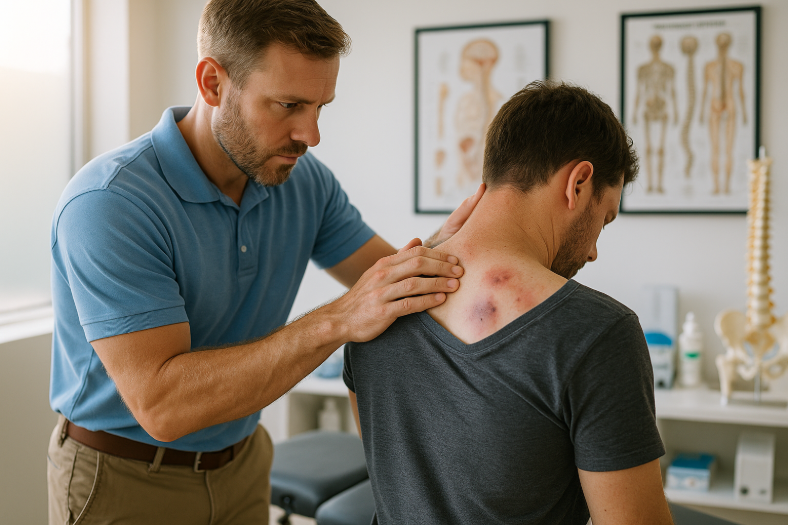
Getting the Right Care and Documentation in Tampa
After a car accident, many people are relieved to walk away without obvious injuries. However, concussions and related brain injuries often remain hidden. Without a prompt exam, these injuries can progress, leaving patients with persistent headaches, dizziness, or memory problems. At Peak Performance Health, we stress that the earlier a concussion is identified, the smoother the recovery process becomes.
Our clinic provides same-day and next-day appointments to help patients in Tampa address accident-related injuries right away. By documenting symptoms early, we not only protect your health but also ensure you have the medical records needed for Florida’s Personal Injury Protection (PIP) claims and legal proceedings.
What to Expect During a Chiropractic Exam
A thorough evaluation combines several layers of testing to uncover both obvious and hidden injuries:
- Medical history review – Every symptom, no matter how small, is discussed and documented.
- Neurological assessment – Reflexes, coordination, and balance are tested to detect subtle dysfunction.
- Functional movement testing – Patients complete guided tasks that highlight deficits in mobility or brain-body communication.
- Imaging referrals – When needed, X-rays, MRIs, or CT scans provide deeper insights into soft tissue or brain injury.
This process ensures nothing is overlooked. It also creates a detailed record of your condition that can support insurance coverage, workplace clearance, and legal claims.
The Importance of Documentation
Medical documentation plays a vital role in both health and legal outcomes after an accident. Without proper records, patients may struggle to prove the necessity of ongoing care or the impact of lingering symptoms. At Peak Performance Health, we take this responsibility seriously by recording each step of your evaluation:
- Detailed notes on reported symptoms (headaches, dizziness, memory loss).
- Physical findings from movement and neurological testing.
- Results of imaging studies when ordered.
- Progress updates as treatment continues.
These records not only guide your treatment plan but also protect your rights in PIP claims, personal injury cases, and employer requests for medical clearance.
Addressing Post-Concussion Syndrome
For some patients, concussion symptoms don’t fade quickly. Instead, they persist for weeks or months, a condition known as post-concussion syndrome. Common signs include ongoing headaches, sleep problems, mood changes, and difficulty concentrating.
Post-concussion syndrome can disrupt work, family life, and overall well-being. That’s why our clinic designs care plans that address both physical and emotional recovery. Gentle chiropractic adjustments, functional rehabilitation, and referrals to specialists all play a role in helping patients manage persistent symptoms. By monitoring progress and adapting care as needed, we support a safe return to daily routines.
How Our Team Supports Tampa Patients
Choosing the right provider after a car accident means finding a team that prioritizes both health and advocacy. At Peak Performance Health, we provide:
- Compassionate, bilingual care for English- and Spanish-speaking households.
- Same-day evaluations to ensure symptoms are identified and documented quickly.
- Comprehensive testing that accounts for both brain and musculoskeletal injuries.
- Detailed documentation for PIP compliance, personal injury cases, and workplace clearance.
- Ongoing support for patients experiencing post-concussion syndrome or delayed symptoms.
Our mission is to make sure no injury goes unnoticed and no patient feels unsupported.
Take the Next Step in Your Recovery
If you or someone you love has been in a car accident, don’t wait for symptoms to appear or worsen. A thorough exam at Peak Performance Health can identify hidden injuries, provide the documentation you need, and set you on the path to safe recovery.
Call us today to schedule your same-day or next-day evaluation.
Visit our Tampa clinic for compassionate care that restores health and peace of mind.
Your recovery starts with the right care, and we’re here to guide you every step of the way.