
Is Hyperbaric Oxygen Therapy Safe? Benefits, Risks & Safety Considerations
Interest in hyperbaric oxygen therapy continues to grow as more wellness centers, med spas, clinics, and home users look for non-invasive ways to support recovery, energy levels, and overall well-being. With that growth comes an understandable question: is hyperbaric oxygen therapy safe? The answer depends on how HBOT is used, the type of chamber involved, and whether proper protocols are followed.
Hyperbaric oxygen therapy involves breathing oxygen inside a pressurized chamber. Under these conditions, oxygen dissolves into the bloodstream at higher levels than normal atmospheric breathing. This process has a long history within hospital-based hyperbaric medicine and has also expanded into non-medical wellness environments.
Understanding safety begins with distinguishing between medical hyperbaric treatment and non-medical hyperbaric oxygen use. While both rely on pressure and oxygen, their goals, oversight, and protocols differ. For wellness users, safety is closely tied to informed use, proper chamber selection, and alignment with individual health factors.
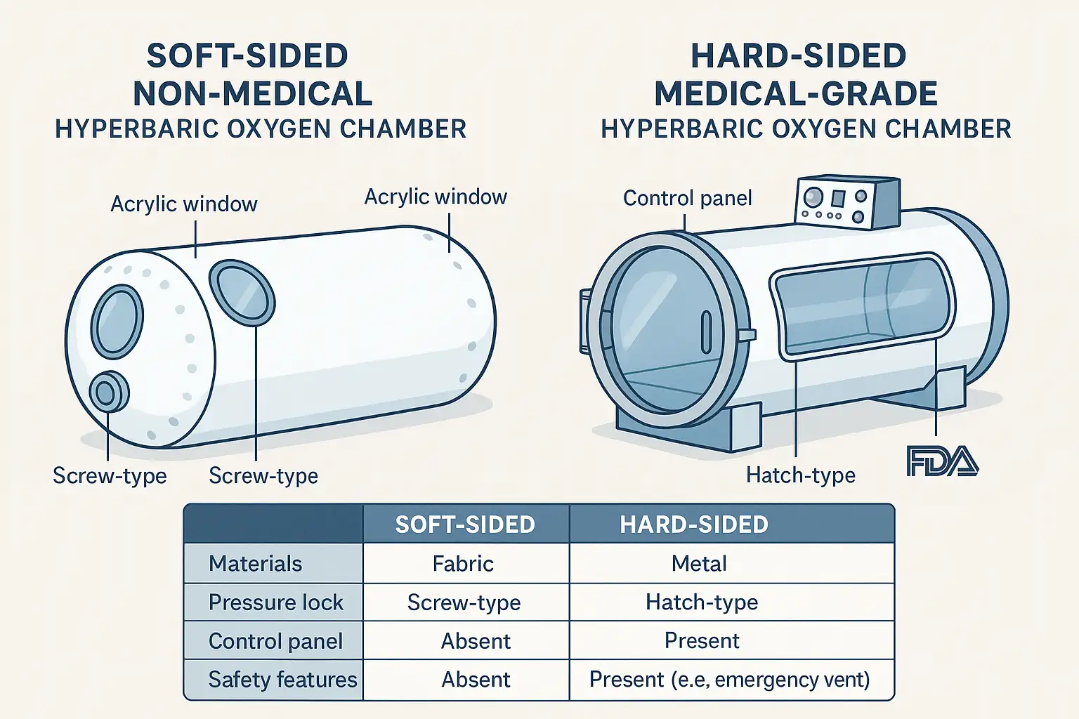
Medical vs Non-Medical Hyperbaric Oxygen Therapy and Why the Difference Matters
Medical hyperbaric oxygen therapy is delivered in hospitals or licensed medical facilities and is regulated for specific conditions such as decompression sickness, carbon monoxide exposure, or non-healing wounds. These treatments operate under physician supervision and may involve higher pressures than those used in wellness settings.
Non-medical hyperbaric oxygen therapy is designed for supportive wellness use rather than disease treatment. These chambers are commonly found in chiropractic offices, regenerative wellness clinics, med spas, athletic facilities, and private homes. Non-medical systems typically operate within pressure ranges that balance oxygen delivery with accessibility for regular use by adults without requiring hospital admission.
This distinction is important when discussing safety. Many concerns people associate with hyperbaric oxygen therapy are based on medical-grade environments or improper use of equipment. In contrast, non-medical hyperbaric chambers are engineered for user comfort, predictable operation, and repeated sessions when manufacturer instructions are followed.
How Hyperbaric Oxygen Affects the Body and What Safety Depends On
Hyperbaric oxygen therapy works by increasing atmospheric pressure while delivering oxygen, which allows oxygen to dissolve directly into plasma rather than relying solely on red blood cells for transport. This process increases oxygen availability to tissues throughout the body, including areas where circulation may be limited.
From a safety perspective, oxygen exposure and pressure tolerance are the two main variables that matter. When used within recommended ranges, hyperbaric oxygen therapy is generally considered a relatively safe treatment for wellness purposes. Problems are more likely to arise when pressure levels are exceeded, sessions last longer than recommended, or oxygen delivery is not properly controlled.
The body’s response to increased oxygen varies between individuals. Some people notice mild ear pressure during pressurization, similar to changes experienced during altitude shifts. Others may experience temporary sinus pressure or fatigue as the body adapts to oxygen exposure. These effects are typically short-lived when sessions follow manufacturer guidance.
More serious risks, such as oxygen toxicity or toxicity seizure, are rare in non-medical settings and are most often associated with improper protocols or misuse of equipment. Staying within approved pressure ranges and session durations plays a major role in reducing these risks.
Common Side Effects and Who Should Use Extra Caution
Side effects associated with non-medical hyperbaric oxygen therapy are usually mild and temporary when chambers are used as intended. Ear discomfort, pressure sensations, and sinus fullness are the most commonly reported experiences, especially during early sessions. These effects often lessen as users become familiar with pressure equalization techniques.
Some individuals may feel lightheaded or tired after a session, particularly if they are new to oxygen therapy or if sessions are scheduled too closely together. Adjusting frequency and allowing time for adaptation can help address these responses.
Certain health conditions require extra caution. People with untreated respiratory conditions, recent ear or sinus surgery, severe claustrophobia, or specific pulmonary concerns should consult a healthcare provider before entering a hyperbaric chamber. This guidance applies whether the chamber is used in a clinic or at home.
It is also important to understand that hyperbaric oxygen therapy is not appropriate for everyone. While many adults tolerate non-medical HBOT well, individual health history plays a role in determining suitability. Responsible use includes open communication with health care providers and realistic expectations about what oxygen therapy can support within a wellness context.
Fire Safety, Equipment Standards, and Responsible Operation
Fire safety is one of the most important considerations in any oxygen-rich environment. Oxygen itself is not flammable, but it can accelerate combustion if ignition sources are present. For this reason, strict adherence to fire safety practices is required when operating hyperbaric chambers.
Non-medical hyperbaric chambers should always be used in areas free of open flames, sparks, or unauthorized electronic devices. Manufacturer instructions clearly outline what items are permitted inside the chamber and how oxygen delivery systems should be handled. Following these instructions is a core part of safe operation.
Routine maintenance also contributes to safety. Chambers should be inspected regularly, kept clean, and serviced according to manufacturer schedules. This applies equally to clinics offering hyperbaric services and to individuals using chambers at home.
Making an Informed Decision about Hyperbaric Oxygen Therapy
For many people, the question is not simply whether hyperbaric oxygen therapy is safe, but whether it fits their goals, lifestyle, and health considerations. In wellness settings, HBOT is commonly used as part of a broader routine focused on recovery, stress management, and performance support rather than as a standalone intervention.
Safety is highest when expectations are realistic, equipment is appropriate for the setting, and protocols are followed consistently. Non-medical hyperbaric oxygen therapy has been used by adults across a wide range of wellness environments with a strong safety record when these factors are in place.
If you are evaluating whether hyperbaric oxygen therapy fits your wellness routine or professional services connecting with a knowledgeable team can help clarify options and expectations. Peak Performance provides non-medical hyperbaric oxygen therapy for individuals seeking structured access to HBOT outside of hospital-based care. Services are delivered in a controlled, wellness-focused clinic setting.