
HBOT Treatment: How Hyperbaric Oxygen Therapy Supports Wellness, Recovery & Performance
Hyperbaric oxygen therapy, commonly referred to as HBOT is a wellness-focused approach that uses increased atmospheric pressure to help the body absorb higher levels of oxygen. This process takes place inside a hyperbaric chamber, where pressure levels exceed normal room conditions and allow oxygen to dissolve more efficiently into the bloodstream. For many individuals and wellness providers, HBOT treatment fits into a broader lifestyle strategy centered on recovery, consistency, and long-term performance.
Outside of hospital environments, non-medical hyperbaric chambers have become increasingly common in homes, med spas, chiropractic clinics, and regenerative wellness centers. The focus remains on wellness applications of hyperbaric therapy rather than disease treatment, giving users more flexibility and control over how oxygen therapy fits into their routine.
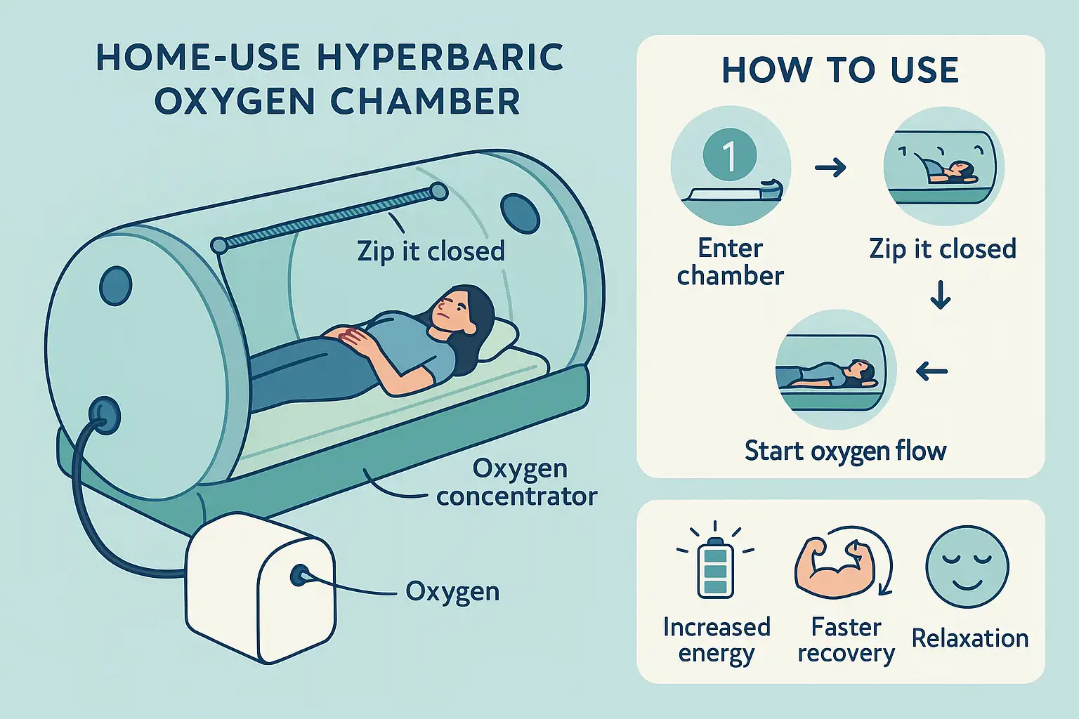
How Hyperbaric Oxygen Therapy Works in a Wellness Setting
During an HBOT session, the body is exposed to a pressurized environment that allows oxygen to enter the bloodstream at higher concentrations than normal breathing conditions. As pressure increases, oxygen becomes more readily available to tissues throughout the body. Many people describe the experience as calm and restorative, often using session time to rest, listen to audio content, or practice relaxation techniques.
Sessions are designed to progress gradually, allowing the body to adapt comfortably to changes in pressure. Once the chamber reaches the intended level, oxygen delivery continues for the duration of the session before pressure is slowly returned to normal. This controlled environment is part of what makes HBOT appealing to people seeking structured recovery time without invasive procedures or medications.
In wellness environments, oxygen therapy is often used as part of a consistent routine rather than a short-term intervention. Home users appreciate the ability to schedule sessions around their lifestyle, while clinics value the predictability and ease of integrating HBOT into existing service menus.
Medical Hyperbaric Therapy Compared to Non-Medical Chambers
Medical hyperbaric oxygen therapy is typically provided in hospital or wound-care settings and is regulated for specific approved indications. These treatments operate under strict clinical oversight and may involve higher pressures depending on the condition being addressed. Access usually requires physician referral and scheduled appointments within a medical facility.
Non-medical hyperbaric chambers serve a different purpose. These systems are designed for wellness and performance use rather than medical treatment. They are commonly found in private residences and wellness-focused businesses, offering greater accessibility and flexibility. Pressures often fall within a range that supports oxygen absorption while remaining suitable for routine use outside a clinical setting.
Wellness Goals Commonly Associated With HBOT Treatment
People turn to hyperbaric oxygen therapy for a variety of wellness-related goals that center on recovery, energy management, and overall performance. In athletic and active populations, HBOT is often incorporated into post-training routines where consistency and reduced downtime matter. Many users report that scheduled oxygen sessions help them maintain training momentum during demanding periods.
Beyond physical recovery, HBOT has gained attention among individuals managing busy schedules, high stress levels, or frequent travel. The structured environment of a hyperbaric chamber creates dedicated time for rest, which many people find helpful for sleep routines and daily energy balance. In wellness centers, HBOT sessions are commonly positioned as a low-effort experience that supports relaxation before or after other services.
Cognitive performance is another area of interest, particularly among bio-hackers and professionals focused on productivity and mental clarity. Oxygen therapy sessions are often used as part of a broader performance routine that includes nutrition, movement, and recovery practices.
In med spa and aesthetic environments, HBOT is sometimes paired with services that can place temporary demands on the body. The goal in these settings is to support comfort and recovery, allowing clients to return to normal activities feeling balanced and refreshed.
Selecting a Hyperbaric Chamber for Home or Professional Use
Choosing the right hyperbaric chamber depends on how and where it will be used. Home users often prioritize space considerations, ease of setup, and the ability to maintain a regular routine without extensive infrastructure. Soft-shell chambers are commonly selected for residential use because they fit well into personal wellness spaces and can be integrated without permanent modifications.
Professional environments such as med spas, chiropractic offices, and regenerative clinics tend to focus on durability, client throughput, and long-term reliability. Hard-shell chambers are frequently chosen in these settings due to their robust construction and suitability for repeated daily sessions. Some models are capable of reaching higher pressure ranges, which can be appealing for clinics offering advanced wellness services.
Cost considerations also vary based on usage. Individuals researching hyperbaric oxygen therapy cost or searching for hyperbaric oxygen therapy near me often discover that insurance coverage is usually limited to hospital-based medical treatments tied to approved indications. Wellness-oriented chambers are typically purchased or leased in a way similar to other premium recovery equipment. Clinics often evaluate return on investment based on client demand, session pricing, and how HBOT fits within packaged services.
Safety Considerations and Responsible Use
Hyperbaric oxygen therapy has a long history of use, but safety remains dependent on proper equipment appropriate protocols, and individual health factors. In non-medical wellness settings, responsible use starts with understanding pressure tolerance and oxygen exposure. Many users begin with conservative sessions and adjust gradually as they become familiar with how their body responds.
Using manufacturer-recommended guidelines and maintaining equipment properly plays a significant role in reducing avoidable risks. Discomfort related to pressure changes can occur, particularly for individuals with sinus or ear sensitivity. Oxygen exposure that exceeds recommended levels may increase the likelihood of adverse effects, which is why education and moderation are emphasized.
Certain medical conditions may limit suitability for hyperbaric environments, making it wise to consult a qualified healthcare professional before beginning sessions, especially for those with respiratory concerns or other underlying health issues. Wellness-focused HBOT is positioned as a supportive practice rather than a replacement for medical care.
Bringing HBOT Into a Long-Term Wellness Routine
For home users and wellness businesses alike, hyperbaric oxygen therapy works best when integrated into a consistent routine rather than treated as an occasional experience. The predictability of scheduling sessions, combined with a calm environment, allows HBOT to become a reliable part of recovery and performance habits.
Peak Performance offers non-medical hyperbaric oxygen therapy in a dedicated clinic setting focused on comfort, consistency, and client support. Their approach emphasizes education, structured sessions, and accessible scheduling for individuals interested in incorporating HBOT into a wellness routine.