MRI vs CT After Car Accident Head Injury
If you’ve been in a car accident , one of the most important steps in protecting your health is making sure any head or neck injuries are properly evaluated. Imaging tests like MRI and CT scans provide doctors with clear information about what’s happening inside your body, guiding treatment and recovery.
MRI vs CT after car accident head injury – What’s recommended? At Peak Performance Health, serving patients across Pinellas County, including Dunedin, Clearwater, and surrounding communities, we combine advanced diagnostics with natural, chiropractic care to help you recover quickly and fully.
Understanding Imaging Needs After a Car Accident Head Injury
After a recent car accident, it’s understandable to feel uncertain about next steps, especially when you’re experiencing symptoms that could signal a traumatic brain injury. At Peak Performance Health, we know how important timely diagnosis and the right imaging can be for your recovery and peace of mind. Accidents frequently cause symptoms like headaches, dizziness, neck or back pain, and numbness, which might require additional evaluation.
Deciding between a brain MRI vs CT after car accident head injury depends on your unique situation, the nature of your symptoms, and what your doctor needs to rule out or identify. Let’s discuss the typical signs that indicate when imaging is necessary, and how your care team makes informed decisions to guide your treatment.
Why Imaging Matters After a Car Accident
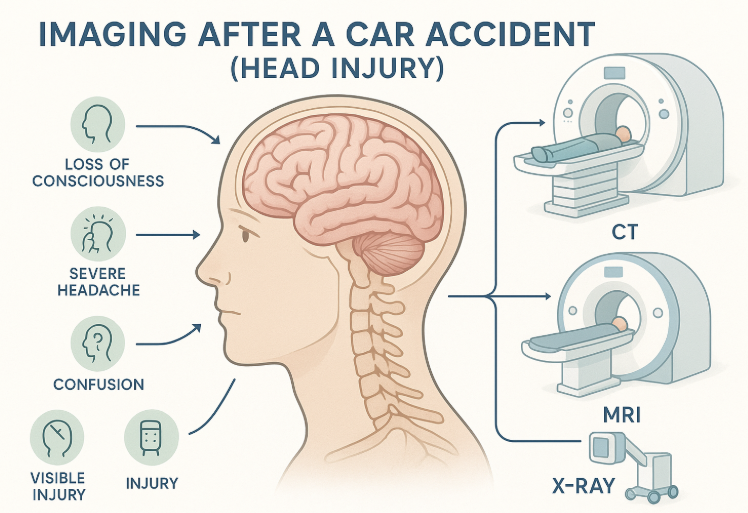
Car accidents often cause more than surface injuries. The sudden force of impact can lead to concussions, bleeding, or ligament damage that isn’t visible without imaging. CT scans and MRIs give your care team the clarity needed to determine whether your injury involves fractures, soft tissue damage, or more subtle changes in the brain.
At our clinic, these scans guide treatment and provide important documentation for Florida PIP insurance and attorney support. By having clear medical records, you get both peace of mind and the evidence you may need if your case involves work clearance, disability, or legal claims.
Traumatic Brain Injury Symptoms That May Require a Scan
When you’re involved in a car accident, your body absorbs forces that it isn’t designed to handle. Even in minor collisions, the sudden whip-like motion of your head and neck, often called whiplash, can stretch or tear tissues, leading to a host of symptoms. Sometimes, these signs appear right away, while other times, they may surface hours or even days later.
If you’re experiencing any of the following, your provider may recommend CT or MRI testing:
- Persistent headaches or migraines
- Dizziness, vertigo, or balance issues
- Difficulty concentrating or memory gaps
- Numbness or tingling in the arms or legs
- Loss of consciousness at the scene
- Neck or back pain that doesn’t improve
Addressing these symptoms promptly helps prevent further complications. Imaging ensures nothing serious is overlooked and that your chiropractic or rehabilitative care can be tailored to your unique needs.
Brain MRI or CT: Understanding the Difference
Choosing between MRI and CT scans after a car accident often feels overwhelming, especially when you or a loved one is experiencing symptoms like headaches, memory issues, or dizziness. Understanding the distinct roles these imaging tools play can help you feel more confident during your recovery.
MRI and CT differ in how they create images and in what types of injuries they capture best. These differences are critical when assessing trauma to the head and neck. By knowing how each method detects injuries and their specific advantages and limitations, you’ll be better prepared to make informed decisions along with your care team at Peak Performance Health.
Both CT and MRI scans play important roles in post-accident care, but they are used in different situations:
- CT Scan
- Fast and effective in emergencies.
- Detects fractures and acute bleeding.
- Often, the first scan performed in the ER.
- Involves a small dose of radiation.
- MRI Scan
- No radiation, uses magnets and radio waves.
- Provides highly detailed images of the brain, nerves, and ligaments.
- Identifies concussions, nerve damage, and soft tissue injuries that CT may miss.
- Typically recommended if symptoms continue for days or weeks after the accident.
At Peak Performance Health, we view these scans as complementary tools. A CT may be the right choice for immediate concerns, while an MRI (magnetic resonance imaging) provides deeper insights that support longer-term treatment and rehabilitation.
How Imaging Connects to Your Recovery Plan
Imaging is not the end of your care, it’s the beginning of a personalized treatment path. At our Dunedin clinic, once your CT or MRI results are available, we design a program that addresses both the underlying injury and your recovery goals. Depending on your needs, this may include:
- Chiropractic Adjustments using Pro Adjuster technology for precision care.
- Spinal Decompression Therapy to relieve nerve pressure and reduce pain.
- Laser Therapy to promote healing and reduce inflammation.
- Rehabilitation Exercises to rebuild strength, flexibility, and balance.
By linking imaging techniques and results with these treatments, we make sure you receive care that is both safe and effective. This integrated approach helps patients return to work, restore mobility, and regain quality of life after a car accident.
Take the Next Step Toward Healing
A head injury after a car accident can feel overwhelming, but you don’t have to navigate recovery alone. Imaging tests like MRI and CT scans provide answers, while our holistic, patient-centered treatments help your body heal. Whether you’re dealing with headaches, dizziness, or ongoing pain, the right combination of diagnostics and chiropractic care sets you on the path to recovery.
If you’ve recently been injured in a car accident in Dunedin, Clearwater, or the greater Pinellas County area, reach out to Peak Performance Health today. Our team will review your symptoms, explain your imaging options, and create a personalized plan that supports both your health and your legal or insurance needs.