
If you’ve been working hard to feel healthier but still struggle with stubborn weight, treatments like GLP-1 for weight loss may offer the support your body needs. At Peak Performance in Tampa, we use FDA-approved medication options and evidence-based care to help adults reach real, sustainable results with a safe, supportive medical approach. Book a consultation today to see whether GLP-1 therapy fits your weight management goals.
How GLP-1 Medications Support Your Weight Management Journey
GLP-1 receptor agonists have reshaped treatment options for adults who struggle with body weight, especially during midlife when metabolism can slow and appetite cues shift. These medications work with the same hormone your body naturally produces to regulate hunger, digestion, and blood sugar. By strengthening these signals, GLP-1 medications help you feel satisfied sooner, reduce cravings, and support steady progress.
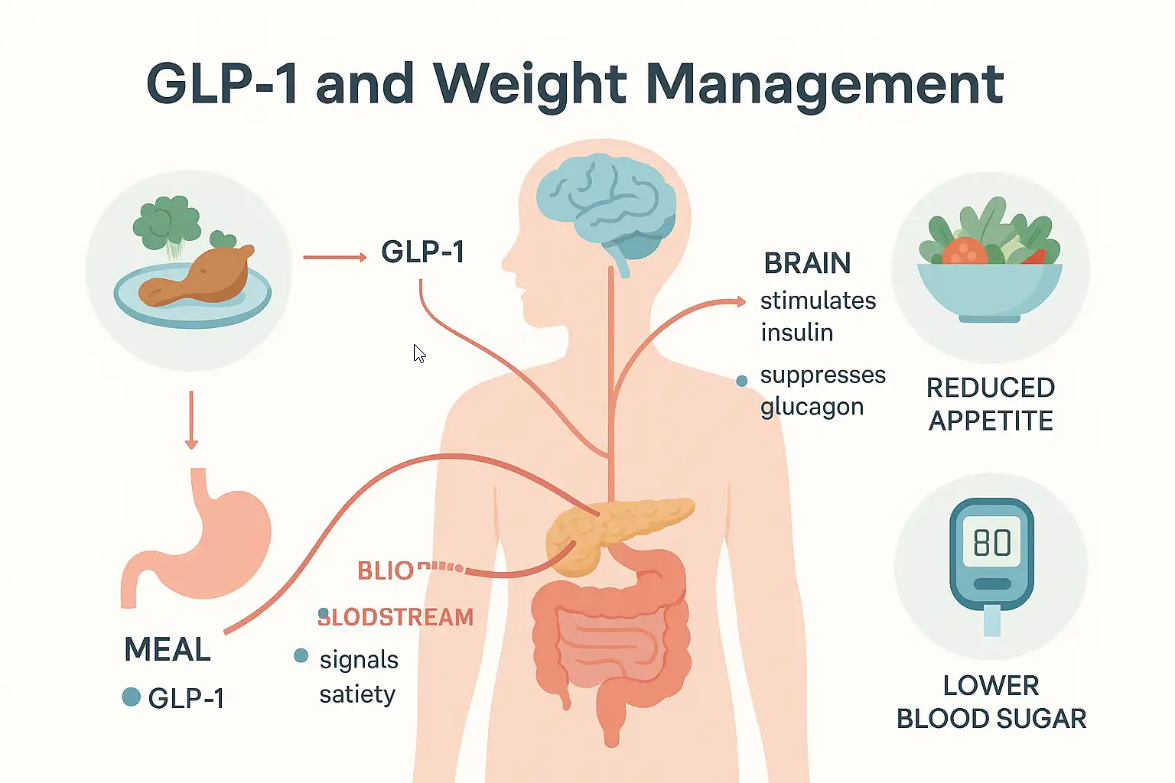
At Peak Performance, patients often come in after months or years of frustration. They eat well, exercise consistently, and still feel stuck. GLP-1 medications can make a difference by supporting appetite control, stabilizing blood sugar, and helping your body respond more effectively to routine lifestyle changes. The goal is not a quick fix. It’s a medically guided plan that supports sustainable results and healthier patterns. Our team monitors every patient closely with personalized dosing, ongoing check-ins, and guidance based on your health history and long-term goals. Whether you’ve been dealing with hormonal shifts, metabolic resistance, or weight challenges that run in your family, GLP-1 therapy may support a path toward better health and improved confidence.
Who Benefits Most from GLP-1 Weight Loss Therapy
GLP-1 therapy is designed for adults who have struggled with weight despite sincere effort. Many patients at Peak Performance fall into one or more of the following groups:
Adults over 40
Natural changes in metabolism, hormones, digestion, and appetite can make losing weight harder with age. GLP-1 medications support the body where these changes occur.
Individuals with obesity or elevated weight-related risk
Patients managing insulin resistance, prediabetes, or type 2 diabetes often see added benefits due to improved blood sugar control.
Patients who have tried structured programs without success
If diet and exercise plans haven’t produced the results you were hoping for, GLP-1 therapy may help address the underlying biological factors involved.
Men and women seeking consistent, medically guided support
GLP-1 therapy works best when paired with professional follow-up, individualized dosing, and a supportive healthcare team.
These medications are not intended as a shortcut. They work alongside healthy habits to support steady, manageable progress. If you’ve struggled with appetite control or difficulty losing weight despite your best efforts, GLP-1 therapy may fit your needs.
Tirzepatide and Semaglutide: Understanding Your Treatment Options
Peak Performance offers both tirzepatide and semaglutide treatments, including compounded formulations when appropriate. Your provider will help you understand how each medication functions so that your plan fits your health goals, medical history, and personal comfort level. Tirzepatide. This FDA-approved medication works on both GLP-1 and GIP pathways. This dual action may support stronger appetite control and improved glucose management. Many patients find tirzepatide helpful when previous weight loss methods or medications were not effective enough. It may also benefit adults managing both weight and metabolic risk factors. Semaglutide. Available in brand-name and compounded forms, semaglutide supports GLP-1 activity and is widely used for weight management. For some patients, compounded semaglutide offers more flexible dosing or a cost-conscious alternative while maintaining therapeutic benefits. The choice between these medications depends on your health profile, response to previous treatments, personal goals, and budget. Our team walks you through every option with clear guidance and ongoing monitoring to support progress and safety.
Safety, Monitoring, and What to Expect During Treatment
Starting a new medication can bring questions, especially when related to digestion, appetite, and metabolic health. GLP-1 therapies have been thoroughly studied and remain widely used across the United States. While most adults tolerate treatment well, your comfort and safety remain the priority throughout your plan.
Common symptoms like nausea, constipation, or diarrhea may occur as your body adjusts. These usually improve as dosing stabilizes. Staying hydrated, eating smaller meals, and choosing gentle foods during the first few weeks often helps. Less common symptoms like fatigue or reduced appetite may also appear as your metabolism shifts. More serious reactions are rare, but we discuss all considerations during your visits. Adults with a history of pancreatitis, gallbladder problems, or certain gastrointestinal conditions may need additional evaluation before treatment. Routine follow-ups help ensure that treatment remains safe and effective, and patients always have a direct line of communication for concerns or adjustments.
Understanding Physical Changes, Including “Ozempic Face”
Rapid weight changes can sometimes lead to changes in appearance, including a slimmer or more angular facial look. This is sometimes referred to as “Ozempic face.” While this experience is not dangerous, it can feel surprising if weight loss happens faster than expected. These changes occur due to shifts in facial fat distribution, something adults over 40 may notice more readily due to natural changes in skin elasticity. If you notice these differences, there are ways to support your confidence and comfort during treatment:
Balanced nutrition and adequate hydration
Gentle skincare routines
Strength training to maintain overall muscle tone
Optional consultations with aesthetic specialists when appropriate
Your treatment plan can also be adjusted to support more gradual progress if needed. Our priority is helping you feel healthy, confident, and comfortable throughout all stages of treatment.
How GLP-1 Medications Work With Lifestyle Habits
GLP-1 medications support the biological systems involved in appetite, digestion, and metabolic health, but steady progress depends on daily habits that reinforce the benefits of your prescription. These drugs help regulate hunger and blood sugar, yet your routines play an important role in creating long-term treatment success. Consistent dosing is one of the simplest ways to support reliable results. Taking your medication on schedule keeps appetite cues steady and helps your body respond predictably to the drug. Pairing this with smart nutrition choices strengthens your progress. Meals built around vegetables, lean proteins, and whole foods make it easier for your body to stabilize energy levels and avoid patterns that contribute to chronic disease. Movement also matters. Walking, strength training, or other manageable activities support your metabolism and help maintain muscle as the drugs assist with weight control. Regular check-ins give your provider the chance to adjust dosing, review symptoms, and make sure your plan continues to support both results and drug safety. When medication and lifestyle work together, patients often experience steady, sustainable progress. The goal is a routine that feels realistic rather than restrictive so that your efforts remain consistent throughout long-term treatment.
Addressing Side Effects Early and Staying on Track
Side effects can feel discouraging when you’re trying something new, but with clear guidance and support, most adults adapt smoothly. When symptoms appear early in treatment, simple adjustments often make a meaningful difference. This may include pacing your meals, avoiding rich foods during the first few weeks, increasing hydration, or modifying dosing schedules based on how your body responds. Every patient’s experience is different. That is why ongoing communication with your provider matters. If symptoms become persistent or disruptive, we reassess promptly to maintain both safety and comfort. You never have to navigate side effects alone. Our team is here to answer questions, support your progress, and make adjustments whenever needed.
Peak Performance
Safety, Monitoring, and What to Expect During Treatment
If you’ve struggled with weight for years or feel stuck despite consistent effort, GLP-1 therapy may offer the support you need. At Peak Performance in Tampa, we help adults understand their options with clear guidance, attentive monitoring, and a plan designed for long-term success. Schedule a consultation today to learn whether GLP-1 treatment fits your goals and discover a supportive, personalized path forward.
Safety, Monitoring, and What to Expect During Treatment
Starting a new medication can bring questions, especially when related to digestion, appetite, and metabolic health. GLP-1 therapies have been thoroughly studied and remain widely used across the United States. While most adults tolerate treatment well, your comfort and safety remain the priority throughout your plan.
Scroll to Top
medication, injection, semaglutide, type 2 diabetes, dulaglutide, weight loss, health, weight, agonist, blood, dose, obesity, exenatide, liraglutide, medications, wegovy, weight loss medications, stomach, liver, lifestyle, inflammation, pressure, weight loss program, weight loss clinic, program, injections, weight loss programs, blood sugar regulation, prediabetes, clinic, vitamin b12, promoting weight loss, medical, weight loss methods, weight loss plan, sustainable weight loss, weight loss goals, weight management, insulin, weight loss treatments, weight loss medication, weight management program, clinical trial, menopause
Frequently Asked Questions
How does GLP-1 help with weight loss?
GLP-1 helps with weight loss by enhancing feelings of fullness, reducing appetite, and slowing gastric emptying. This combination supports healthier eating habits and can lead to significant weight management results.
What are the effects of GLP-1 on appetite?
The effects of GLP-1 on appetite are significant, as it helps to reduce hunger and increase feelings of fullness. This hormone works by slowing gastric emptying and signaling the brain, ultimately supporting weight management efforts.
How does GLP-1 influence metabolism rates?
GLP-1 influences metabolism rates by enhancing insulin secretion, reducing glucagon levels, and slowing gastric emptying, which collectively help regulate blood sugar levels and promote weight loss. This metabolic modulation supports effective weight management strategies.
Can GLP-1 therapy reduce cravings effectively?
GLP-1 therapy can effectively reduce cravings by regulating appetite and enhancing feelings of fullness, which helps individuals manage their weight more successfully. This mechanism supports healthier eating habits and contributes to overall weight management goals.
What is the mechanism of GLP-1 for weight loss?
The mechanism of GLP-1 for weight loss involves its ability to enhance insulin secretion, reduce appetite, and slow gastric emptying. This combination helps regulate blood sugar levels and promotes a feeling of fullness, aiding in effective weight management.
How quickly can GLP-1 show weight loss results?
GLP-1 can show weight loss results within a few weeks of starting treatment, with many individuals experiencing noticeable changes in appetite and weight within the first month.
What are the side effects of GLP-1 therapy?
The side effects of GLP-1 therapy may include nausea, vomiting, diarrhea, and potential risk of pancreatitis. Most side effects are mild and often diminish over time, but it's essential to discuss any concerns with your healthcare provider.
Is GLP-1 therapy suitable for everyone?
GLP-1 therapy is not suitable for everyone. It is primarily designed for individuals struggling with obesity or overweight who have not achieved weight loss through diet and exercise alone. A consultation with a healthcare professional is essential to determine individual suitability.
How does GLP-1 compare to other weight loss treatments?
GLP-1 therapy offers a unique approach to weight loss by mimicking hormones that regulate appetite and glucose levels, often leading to greater and more sustainable weight loss compared to traditional methods like diet and exercise alone or other medications.
What lifestyle changes enhance GLP-1 effectiveness?
Lifestyle changes that enhance GLP-1 effectiveness include adopting a balanced diet rich in whole foods, engaging in regular physical activity, maintaining proper hydration, and ensuring adequate sleep. These practices support overall health and optimize weight management outcomes.
How often should GLP-1 injections be administered?
GLP-1 injections should typically be administered once a week, depending on the specific medication prescribed and individual patient needs. Always follow your healthcare provider's guidance for the best results.
What dietary recommendations complement GLP-1 therapy?
Dietary recommendations that complement GLP-1 therapy include focusing on a balanced diet rich in whole foods, such as fruits, vegetables, lean proteins, and healthy fats, while minimizing processed foods and sugars to enhance weight management and overall health.
Can GLP-1 therapy help with long-term weight maintenance?
GLP-1 therapy can significantly aid in long-term weight maintenance by promoting sustained weight loss and helping individuals manage their appetite and cravings effectively. This support is essential for achieving lasting weight management goals.
What are the success rates of GLP-1 treatments?
The success rates of GLP-1 treatments for weight loss are significant, with many patients achieving a weight reduction of 5-15% over a year, depending on individual factors and adherence to the treatment plan.
How does GLP-1 affect blood sugar levels?
GLP-1 affects blood sugar levels by stimulating insulin secretion and inhibiting glucagon release, which helps lower blood sugar levels after meals. This mechanism supports better glucose control, making it beneficial for weight management and diabetes management.
What should I expect during GLP-1 treatment?
During GLP-1 treatment, you can expect a personalized approach that includes regular consultations, monitoring of your progress, and adjustments to your medication as needed, all aimed at supporting your weight management goals effectively.
Are there specific foods that enhance GLP-1 effects?
Specific foods can enhance GLP-1 effects. Incorporating high-fiber foods, healthy fats, and protein-rich options, such as legumes, avocados, and lean meats, may support the secretion and action of GLP-1, aiding in weight management.
How does GLP-1 therapy impact emotional eating?
GLP-1 therapy can significantly reduce emotional eating by regulating appetite and enhancing feelings of fullness, helping individuals manage cravings triggered by emotions and promoting healthier eating habits.
What is the cost of GLP-1 medications?
The cost of GLP-1 medications varies based on the specific medication and insurance coverage. On average, patients can expect to pay between $800 to $1,200 per month, but many insurance plans may help reduce these costs.
How do I know if GLP-1 is right for me?
Determining if GLP-1 therapy is right for you involves assessing your weight management goals, medical history, and any underlying conditions. A consultation with our healthcare professionals can help identify if this treatment aligns with your needs.
What are the benefits of GLP-1 for obesity?
The benefits of GLP-1 for obesity include significant weight loss, improved appetite control, and enhanced metabolic health. This therapy helps individuals manage their weight effectively, supporting long-term health goals.
How does GLP-1 therapy support metabolic health?
GLP-1 therapy supports metabolic health by enhancing insulin secretion, reducing appetite, and improving glucose metabolism, which collectively aid in weight management and promote overall metabolic function.
What are the differences between GLP-1 drugs?
The differences between GLP-1 drugs lie in their formulations, dosing schedules, and side effects. Each medication may vary in effectiveness, duration of action, and specific patient suitability, making personalized care essential for optimal weight management outcomes.
How can I track my progress on GLP-1?
Tracking your progress on GLP-1 therapy can be done by regularly monitoring your weight, noting changes in appetite, and keeping a journal of your food intake and physical activity. Regular consultations with your healthcare provider can also help assess your progress effectively.
What role does GLP-1 play in satiety?
The role of GLP-1 in satiety is significant. GLP-1, or glucagon-like peptide-1, helps regulate appetite by signaling the brain to promote feelings of fullness after eating, thus aiding in weight management.
How does GLP-1 therapy affect energy levels?
GLP-1 therapy can positively impact energy levels by promoting better weight management and stabilizing blood sugar levels, which may lead to increased overall vitality and reduced fatigue in individuals undergoing treatment.
What are the eligibility criteria for GLP-1 therapy?
The eligibility criteria for GLP-1 therapy include individuals with a body mass index (BMI) of 30 or greater, or a BMI of 27 or greater with weight-related health conditions, who are seeking assistance with weight management.
How can GLP-1 therapy improve overall wellness?
GLP-1 therapy can improve overall wellness by aiding in weight management, reducing appetite, and enhancing metabolic health, which collectively contribute to better physical and mental well-being. This personalized approach supports long-term lifestyle changes and overall health improvements.
What are patient testimonials about GLP-1 therapy?
Patient testimonials about GLP-1 therapy highlight positive experiences, with many individuals reporting significant weight loss, improved energy levels, and better overall health. Patients often express satisfaction with the personalized care and support received throughout their weight management journey.
How does GLP-1 therapy fit into a weight loss plan?
GLP-1 therapy plays a crucial role in a weight loss plan by helping regulate appetite, reduce food intake, and enhance metabolic health, making it easier for individuals to achieve and maintain their weight management goals.
Understanding GLP-1 Medications: Mechanism of Action
GLP-1 medications function by mimicking the incretin hormone, which plays a crucial role in regulating appetite and insulin secretion. By enhancing the body's natural response to food intake, these medications promote feelings of fullness and help manage blood sugar levels effectively.
Specifically, GLP-1 medications slow gastric emptying, which helps control hunger and reduces the likelihood of overeating. This mechanism not only aids in weight loss but also contributes to improved metabolic health, making it a valuable option for individuals struggling with obesity or related conditions.
Personalized Care: Tailoring GLP-1 Therapy to Your Needs
At Peak Performance, we understand that each patient's journey is unique, which is why personalized care is at the heart of our GLP-1 therapy approach. Our healthcare professionals assess individual health profiles, lifestyle factors, and weight management goals to create a customized treatment plan.
This tailored approach ensures that the chosen medication aligns with your specific needs, maximizing effectiveness while minimizing potential side effects. Regular consultations allow for adjustments in dosage and strategy, ensuring that you receive optimal support throughout your weight loss journey.
Long-Term Success: Maintaining Results After GLP-1 Therapy
Achieving weight loss through GLP-1 therapy is just the beginning; maintaining those results is equally important. Our team at Peak Performance emphasizes the significance of continuous lifestyle changes and ongoing support to help you sustain your progress long-term.
Incorporating healthy eating habits, regular physical activity, and routine follow-ups with our healthcare providers can reinforce the benefits of GLP-1 therapy, helping you avoid weight regain and promoting overall health and wellness as part of your lifestyle.
Integrating GLP-1 Therapy with Other Weight Management Strategies
GLP-1 therapy can be highly effective when combined with other weight management strategies, such as dietary changes and physical activity. Our holistic approach at Peak Performance encourages patients to adopt a comprehensive plan that includes education on nutrition and exercise tailored to their individual needs.
This integration not only enhances the effectiveness of GLP-1 medications but also empowers patients to take charge of their health. By fostering a supportive environment and providing resources, we help you navigate the challenges of weight management and achieve lasting results.
medication, injection, semaglutide, type 2 diabetes, dulaglutide, weight loss, health, weight, agonist, blood, dose, obesity, exenatide, liraglutide, medications, wegovy, weight loss medications, stomach, liver, lifestyle, inflammation, pressure, weight loss program, weight loss clinic, program, injections, weight loss programs, blood sugar regulation, prediabetes, clinic, vitamin b12, promoting weight loss, medical, weight loss methods, weight loss plan, sustainable weight loss, weight loss goals, weight management, insulin, weight loss treatments, weight loss medication, weight management program, clinical trial, menopause
Frequently Asked Questions
How does GLP-1 help with weight loss?
GLP-1 helps with weight loss by enhancing feelings of fullness, reducing appetite, and slowing gastric emptying. This combination supports healthier eating habits and can lead to significant weight management results.
What are the effects of GLP-1 on appetite?
The effects of GLP-1 on appetite are significant, as it helps to reduce hunger and increase feelings of fullness. This hormone works by slowing gastric emptying and signaling the brain, ultimately supporting weight management efforts.
How does GLP-1 influence metabolism rates?
GLP-1 influences metabolism rates by enhancing insulin secretion, reducing glucagon levels, and slowing gastric emptying, which collectively help regulate blood sugar levels and promote weight loss. This metabolic modulation supports effective weight management strategies.
Can GLP-1 therapy reduce cravings effectively?
GLP-1 therapy can effectively reduce cravings by regulating appetite and enhancing feelings of fullness, which helps individuals manage their weight more successfully. This mechanism supports healthier eating habits and contributes to overall weight management goals.
What is the mechanism of GLP-1 for weight loss?
The mechanism of GLP-1 for weight loss involves its ability to enhance insulin secretion, reduce appetite, and slow gastric emptying. This combination helps regulate blood sugar levels and promotes a feeling of fullness, aiding in effective weight management.
How quickly can GLP-1 show weight loss results?
GLP-1 can show weight loss results within a few weeks of starting treatment, with many individuals experiencing noticeable changes in appetite and weight within the first month.
What are the side effects of GLP-1 therapy?
The side effects of GLP-1 therapy may include nausea, vomiting, diarrhea, and potential risk of pancreatitis. Most side effects are mild and often diminish over time, but it's essential to discuss any concerns with your healthcare provider.
Is GLP-1 therapy suitable for everyone?
GLP-1 therapy is not suitable for everyone. It is primarily designed for individuals struggling with obesity or overweight who have not achieved weight loss through diet and exercise alone. A consultation with a healthcare professional is essential to determine individual suitability.
How does GLP-1 compare to other weight loss treatments?
GLP-1 therapy offers a unique approach to weight loss by mimicking hormones that regulate appetite and glucose levels, often leading to greater and more sustainable weight loss compared to traditional methods like diet and exercise alone or other medications.
What lifestyle changes enhance GLP-1 effectiveness?
Lifestyle changes that enhance GLP-1 effectiveness include adopting a balanced diet rich in whole foods, engaging in regular physical activity, maintaining proper hydration, and ensuring adequate sleep. These practices support overall health and optimize weight management outcomes.
How often should GLP-1 injections be administered?
GLP-1 injections should typically be administered once a week, depending on the specific medication prescribed and individual patient needs. Always follow your healthcare provider's guidance for the best results.
What dietary recommendations complement GLP-1 therapy?
Dietary recommendations that complement GLP-1 therapy include focusing on a balanced diet rich in whole foods, such as fruits, vegetables, lean proteins, and healthy fats, while minimizing processed foods and sugars to enhance weight management and overall health.
Can GLP-1 therapy help with long-term weight maintenance?
GLP-1 therapy can significantly aid in long-term weight maintenance by promoting sustained weight loss and helping individuals manage their appetite and cravings effectively. This support is essential for achieving lasting weight management goals.
What are the success rates of GLP-1 treatments?
The success rates of GLP-1 treatments for weight loss are significant, with many patients achieving a weight reduction of 5-15% over a year, depending on individual factors and adherence to the treatment plan.
How does GLP-1 affect blood sugar levels?
GLP-1 affects blood sugar levels by stimulating insulin secretion and inhibiting glucagon release, which helps lower blood sugar levels after meals. This mechanism supports better glucose control, making it beneficial for weight management and diabetes management.
What should I expect during GLP-1 treatment?
During GLP-1 treatment, you can expect a personalized approach that includes regular consultations, monitoring of your progress, and adjustments to your medication as needed, all aimed at supporting your weight management goals effectively.
Are there specific foods that enhance GLP-1 effects?
Specific foods can enhance GLP-1 effects. Incorporating high-fiber foods, healthy fats, and protein-rich options, such as legumes, avocados, and lean meats, may support the secretion and action of GLP-1, aiding in weight management.
How does GLP-1 therapy impact emotional eating?
GLP-1 therapy can significantly reduce emotional eating by regulating appetite and enhancing feelings of fullness, helping individuals manage cravings triggered by emotions and promoting healthier eating habits.
What is the cost of GLP-1 medications?
The cost of GLP-1 medications varies based on the specific medication and insurance coverage. On average, patients can expect to pay between $800 to $1,200 per month, but many insurance plans may help reduce these costs.
How do I know if GLP-1 is right for me?
Determining if GLP-1 therapy is right for you involves assessing your weight management goals, medical history, and any underlying conditions. A consultation with our healthcare professionals can help identify if this treatment aligns with your needs.
What are the benefits of GLP-1 for obesity?
The benefits of GLP-1 for obesity include significant weight loss, improved appetite control, and enhanced metabolic health. This therapy helps individuals manage their weight effectively, supporting long-term health goals.
How does GLP-1 therapy support metabolic health?
GLP-1 therapy supports metabolic health by enhancing insulin secretion, reducing appetite, and improving glucose metabolism, which collectively aid in weight management and promote overall metabolic function.
What are the differences between GLP-1 drugs?
The differences between GLP-1 drugs lie in their formulations, dosing schedules, and side effects. Each medication may vary in effectiveness, duration of action, and specific patient suitability, making personalized care essential for optimal weight management outcomes.
How can I track my progress on GLP-1?
Tracking your progress on GLP-1 therapy can be done by regularly monitoring your weight, noting changes in appetite, and keeping a journal of your food intake and physical activity. Regular consultations with your healthcare provider can also help assess your progress effectively.
What role does GLP-1 play in satiety?
The role of GLP-1 in satiety is significant. GLP-1, or glucagon-like peptide-1, helps regulate appetite by signaling the brain to promote feelings of fullness after eating, thus aiding in weight management.
How does GLP-1 therapy affect energy levels?
GLP-1 therapy can positively impact energy levels by promoting better weight management and stabilizing blood sugar levels, which may lead to increased overall vitality and reduced fatigue in individuals undergoing treatment.
What are the eligibility criteria for GLP-1 therapy?
The eligibility criteria for GLP-1 therapy include individuals with a body mass index (BMI) of 30 or greater, or a BMI of 27 or greater with weight-related health conditions, who are seeking assistance with weight management.
How can GLP-1 therapy improve overall wellness?
GLP-1 therapy can improve overall wellness by aiding in weight management, reducing appetite, and enhancing metabolic health, which collectively contribute to better physical and mental well-being. This personalized approach supports long-term lifestyle changes and overall health improvements.
What are patient testimonials about GLP-1 therapy?
Patient testimonials about GLP-1 therapy highlight positive experiences, with many individuals reporting significant weight loss, improved energy levels, and better overall health. Patients often express satisfaction with the personalized care and support received throughout their weight management journey.
How does GLP-1 therapy fit into a weight loss plan?
GLP-1 therapy plays a crucial role in a weight loss plan by helping regulate appetite, reduce food intake, and enhance metabolic health, making it easier for individuals to achieve and maintain their weight management goals.
Understanding GLP-1 Medications: Mechanism of Action
GLP-1 medications function by mimicking the incretin hormone, which plays a crucial role in regulating appetite and insulin secretion. By enhancing the body's natural response to food intake, these medications promote feelings of fullness and help manage blood sugar levels effectively.
Specifically, GLP-1 medications slow gastric emptying, which helps control hunger and reduces the likelihood of overeating. This mechanism not only aids in weight loss but also contributes to improved metabolic health, making it a valuable option for individuals struggling with obesity or related conditions.
Personalized Care: Tailoring GLP-1 Therapy to Your Needs
At Peak Performance, we understand that each patient's journey is unique, which is why personalized care is at the heart of our GLP-1 therapy approach. Our healthcare professionals assess individual health profiles, lifestyle factors, and weight management goals to create a customized treatment plan.
This tailored approach ensures that the chosen medication aligns with your specific needs, maximizing effectiveness while minimizing potential side effects. Regular consultations allow for adjustments in dosage and strategy, ensuring that you receive optimal support throughout your weight loss journey.
Long-Term Success: Maintaining Results After GLP-1 Therapy
Achieving weight loss through GLP-1 therapy is just the beginning; maintaining those results is equally important. Our team at Peak Performance emphasizes the significance of continuous lifestyle changes and ongoing support to help you sustain your progress long-term.
Incorporating healthy eating habits, regular physical activity, and routine follow-ups with our healthcare providers can reinforce the benefits of GLP-1 therapy, helping you avoid weight regain and promoting overall health and wellness as part of your lifestyle.
Integrating GLP-1 Therapy with Other Weight Management Strategies
GLP-1 therapy can be highly effective when combined with other weight management strategies, such as dietary changes and physical activity. Our holistic approach at Peak Performance encourages patients to adopt a comprehensive plan that includes education on nutrition and exercise tailored to their individual needs.
This integration not only enhances the effectiveness of GLP-1 medications but also empowers patients to take charge of their health. By fostering a supportive environment and providing resources, we help you navigate the challenges of weight management and achieve lasting results.